
Who we are 2: Cooking, Chattering and Time

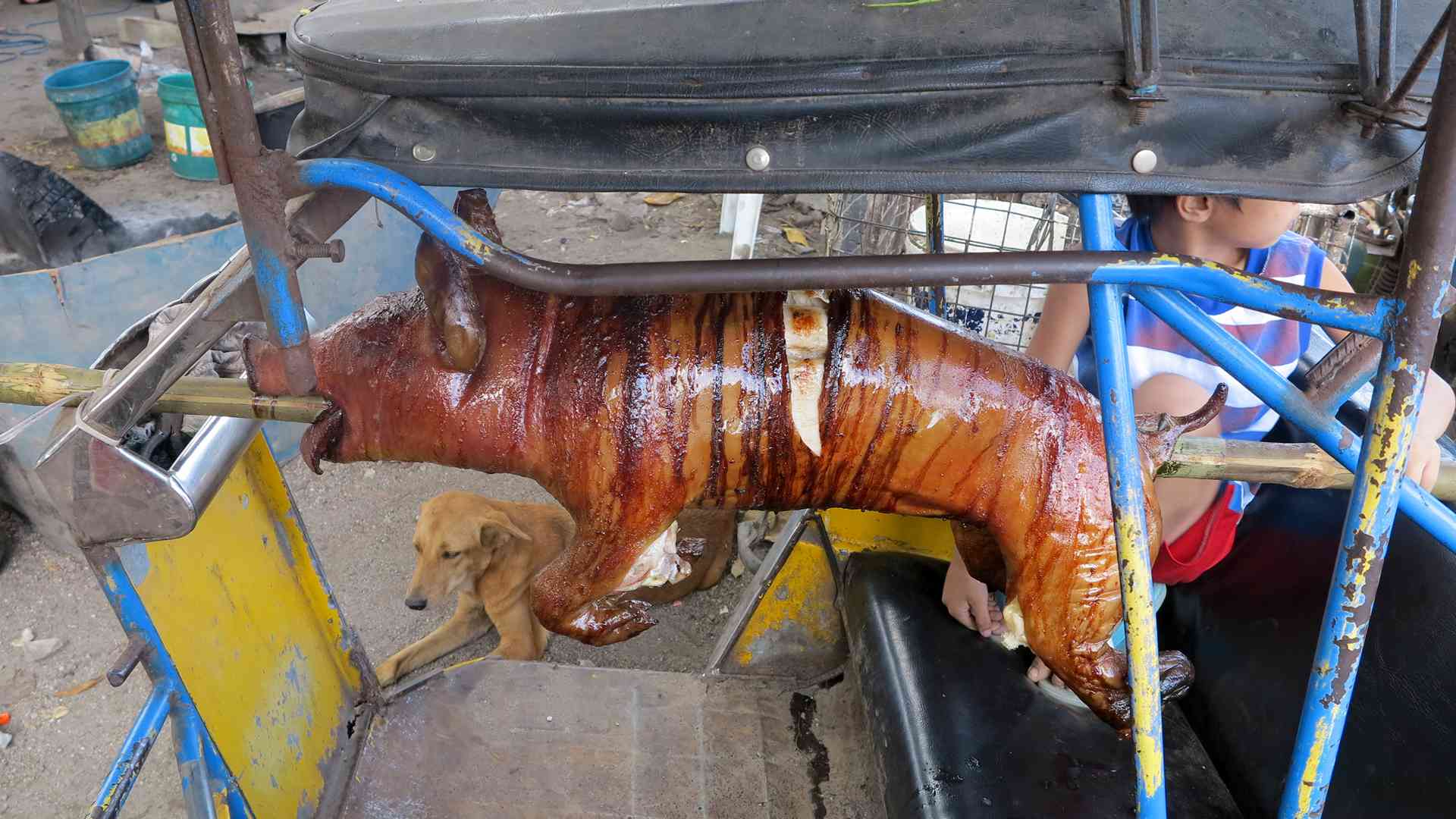
cooking - lechon baboy

Originally posted 2020-04-23 17:59:17.

Cooking is now seen  as the definitive characteristic of modern humans, from which all others followed. It seems to have directly led to the development of tools, especially blade design, but it had many other consequences.

Cooking, particularly of meats and fats but also starches, partially pre-digests the food, making more energy available to us and allowing us to use less to digest it. We put this extra energy into growing brains. Growing big brains burns many calories and just running them consumes a significant part of our daily food intake. We know that the physical structures which allow us to speak were evolving at the same time as our brains were growing larger. Speech allowed more complex and efficient communication and cooperation. This encouraged conceptual thinking and other intellectual skills, again leading to the development of bigger brains.

Continue reading “Who we are 2: Cooking, Chattering and Time”

Who We Are 1: the beginning of culture

Originally posted 2020-04-20 16:46:22.

Modern humans first appeared in Africa around 150,000 – 180,000 years ago; one of a closely-related group of hominids that had populated the savannah over the preceding three million years. During that time, our ancestors learned how to talk, how to make fire and cook and how to cooperate in groups. We probably lived in a similar way to earlier hominids, but something extraordinary happened: we developed culture.

Continue reading “Who We Are 1: the beginning of culture”

Las Casas Filipinas de Acuzar

Originally posted 2017-01-15 06:00:48.

Some time ago I visited Bataan, here in the Philippines, for the first time. I was amazed by the scenery, which is remarkable; beautiful mountains, beaches and sea views, amongst everything else. What a richness this country has! Anyway, the highlight of the tour was when a friend suggested going to Las Casas de Acuzar at Bagac.

las casas de acuzar

Bagac is south of Olongapo on Subic Bay and is accessible by bus. Once again, the scenery en route is spectacular.

[kofi]

I was expecting a beach and maybe a nice old village — my friend and guide, Belgie, said ‘There are old houses’. I wasn’t even slightly prepared for what I saw.

substack

books by rod fleming

Continue reading “Las Casas Filipinas de Acuzar”

Not having sex kills men: so get some in 2019

Originally posted 2019-01-03 11:47:09.

It’s well known that women live longer, on average, than men do. Partly, of course, this is due to the fact that men tend to have more dangerous jobs, in our modern world.

That was not always the case: until little more than a hundred years ago, men’s life expectancy was relatively much longer, because of the high levels of death in childbirth. But most men don’t die in mining accidents or in wars. So what actually kills men? Could it be that not having sex is what kills them?

books by rod fleming Continue reading “Not having sex kills men: so get some in 2019”

Feminism: Terminator required; apply within

beginning of gender

Originally posted 2018-12-18 09:39:57.

Today is not the first time that feminism has threatened to destroy civilisation. It’s very interesting to note, if you study the mythologies of the ancient Levant on which Christianity is based, how the Goddess,  symbolic of women, became identified with Satan.

The serpent and the dragon (just a bigger version) were always creatures of the Goddess. The day aspect of the Goddess in Sumerian mythology was called Inanna (later Ishtar) whose uncle, Enki, was her closest ally. Enki frequently appeared as a snake. Feminism is just the modern version of an ancient evil.

books by rod fleming Continue reading “Feminism: Terminator required; apply within”

The enslavement of men: Enkidu and Shamhat.

enslavement of men

Originally posted 2022-09-04 16:25:48.

The cities of Sumer had been established for over a thousand years by the time the Epic of Gilgamesh was written, circa 2500BC, but they did not control all of the land. Most of it remained uncultivated and taming the wilderness, to make more commercially productive farmland, became important to the cities. That required an ever-increasing labour force, which could only be achieved through the enslavement of men.

[kofi]

substack

Civilisation depends on the enslavement of men.

Many early civilisations were built on the enslavement of men, in the sense that we now understand it, but others were either not slave states or were only partially so. So how could the enslavement of men be effected, other than by force?

One answer is illustrated in two great tales: The Epic of Gilgamesh and  Genesis. The enslavement of men to the city was brought about not through violence, but through love, or at least, lust.

books by rod fleming

Continue reading “The enslavement of men: Enkidu and Shamhat.”

Islam and the death of freedom

Israeli soldiers.

Originally posted 2023-10-13 12:09:45.

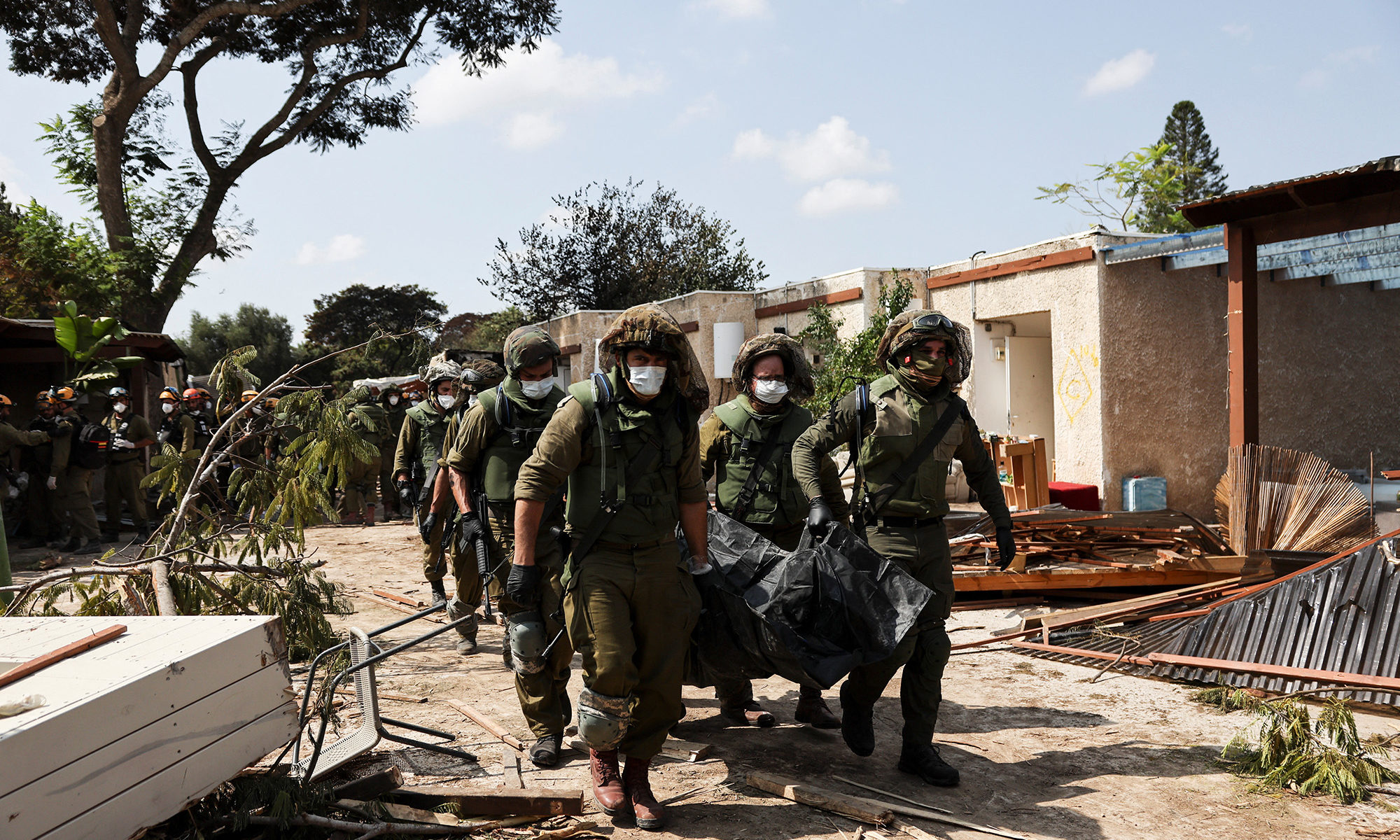
For several years now I have not been writing much about Islam. Partly this was because my interest was elsewhere. However the recent murderous attacks by Hamas terrorists against Israeli civilians, many of them children and even babies, have forced the issue. None of us can stand by and watch this demonic genocide without protest.

Israel occupied the Gaza Strip and the West Bank after the 1967 War and had maintained control, although it had mistakenly allowed Hamas and Hizbollah to establish Islamic schools within these areas.

substack

books by rod fleming Continue reading “Islam and the death of freedom”

The Beginning of Gender

The beginning of gender

Originally posted 2023-03-08 17:57:42.

Men and women select partners differently. Men are visual-target-oriented. They are the hunters. They see particular features and find them attractive, and so they tend to try to select mates that have them. Men are driven in this by female fertility. They are looking, in a long-term partner, for someone whom they think will be able to bear and rear children. This is the beginning of gender.

substack

So who is the primary model for the ideal mother in a man’s mind? Easy; his own. So men tend to seek out women who in some way remind them of their own mothers, or rather, as their own mothers looked when they were young. There is evidence that men are most attracted to women of eighteen to twenty-two, which squares with this.

[kofi]

These traits were evolved over a long period of time, tens or even hundreds of thousands of years, and during that time, women gave birth early, beginning at twelve to fourteen or so. So, again, the ideal ‘proto-mother’ that men seek is a young woman.

books by rod fleming

Continue reading “The Beginning of Gender”

Sex Tourism: right or wrong?

Originally posted 2018-10-12 11:30:28.

What is ‘sex tourism’? It’s a subject that generates a great deal of copy and little enlightenment. Is it just ‘mongering’, the practice of buying sex, but this time in foreign lands? And if it were, why would there be anything wrong with that?

Is it any sex abroad? Is having sex when you’re on holiday ‘sex tourism’?  What about if you live abroad and occasionally have dalliances with the locals? Sex tourism? What about, in the same country, if you marry a local? Still ‘sex tourism’?

substack

What does ‘sex tourism’ actually mean? Is it really a thing, or is it just another nasty epithet that the lowest of the low, rabidfems, use to try to shame men into behaving by the rules that they and other feminazis set, without ever getting a say in defining those rules?  Can women be ‘guilty’ of ‘sex tourism’, or is that just holiday fucking?

[kofi]

books by rod fleming


Continue reading “Sex Tourism: right or wrong?”

Inanna and Jesus: a tale of syncretisation

Originally posted 2018-09-20 06:25:57.

In an oral culture — one that is not written down — mythology evolves as it is passed from storyteller to storyteller. The Jesus myth was created in exactly this way, pasted together from earlier sources. This process is called ‘syncretisation.’

There is no fixed record of an oral tradition, by definition.  In an oral culture or tradition, myths grow and develop to reflect the lived experiences and cultures of the people telling them. It was only when writing was invented that these traditions could be codified and by that time, they had been evolving for thousands of years. This means that there are many versions of the same myth, as different peoples carried it forward.

So we cannot say that, because detail differences exist between two similar myths, they are different or have different origins.

substack

books

Continue reading “Inanna and Jesus: a tale of syncretisation”